June 2026
POSM Monthly Update — June 2026
This month the team acquired over $6,000 in private donations and has begun its march towards developing a fully-modular, POSMq-powered rubidium spectroscopy lock by mid-August.
Read UpdatePOSM is a student-led research group at the University of Minnesota developing experimental photonic, RF, and optomechanical systems for quantum technologies.
Modern quantum technologies are limited by hardware that is often fragmented, inflexible, and hard to integrate. POSM develops modular, customizable systems that make quantum hardware easier to connect, control, and scale.
Explore Research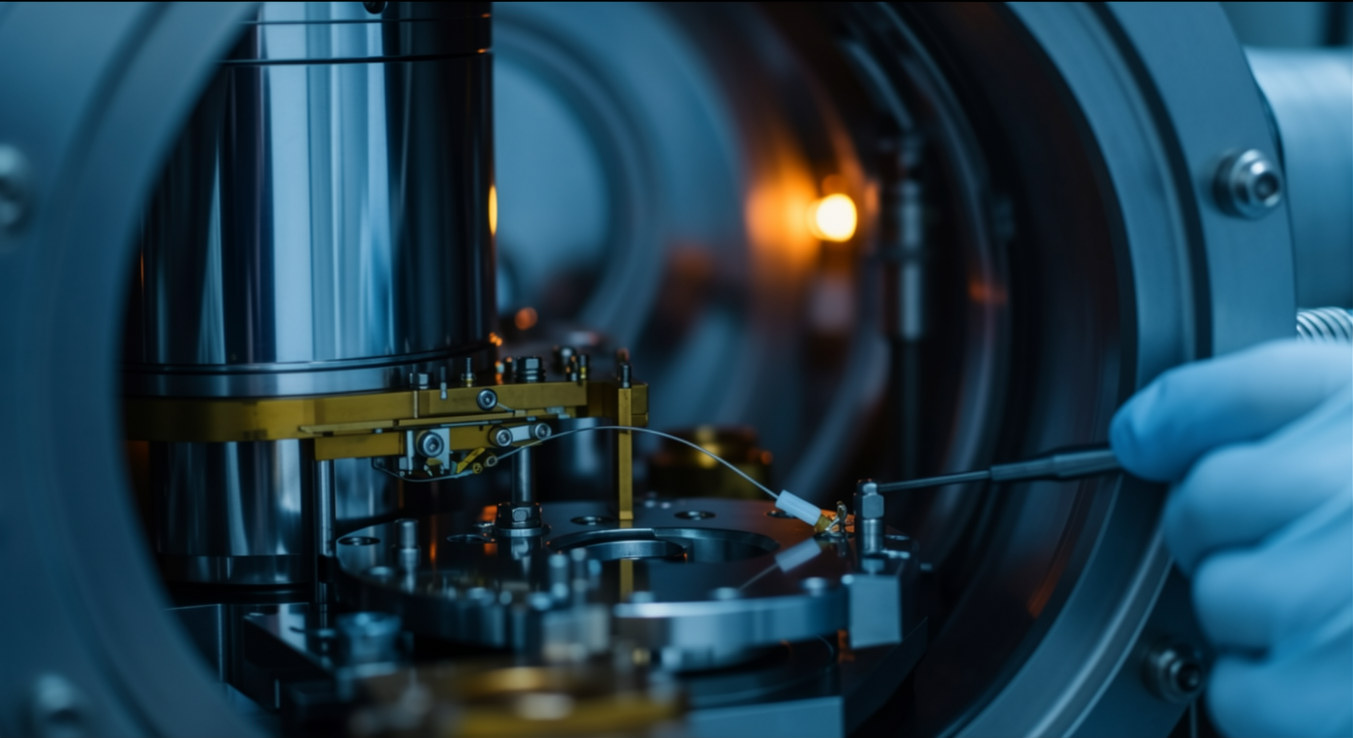
POSM gives undergraduates early access to serious experimental research and the responsability to help design it. Students learn by working with advanced tools, making real technical decisions, and contributing to systems that move beyond the classroom.
Meet the Team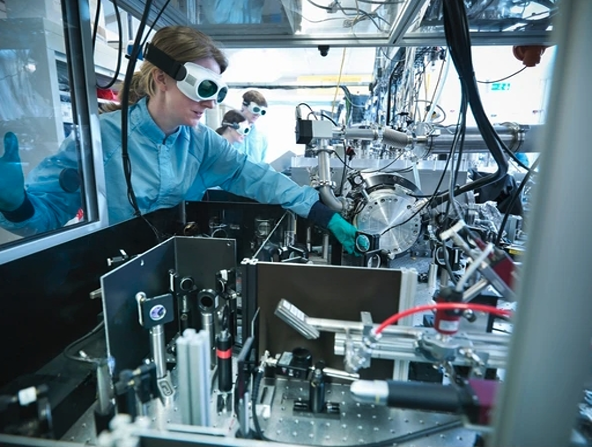
POSMq connects digital twins with live measurements and automated control, helping experimental setups tune and stabilize themselves. By reducing manual intervention, we aim to make complex quantum systems easier to run, diagnose, and improve.
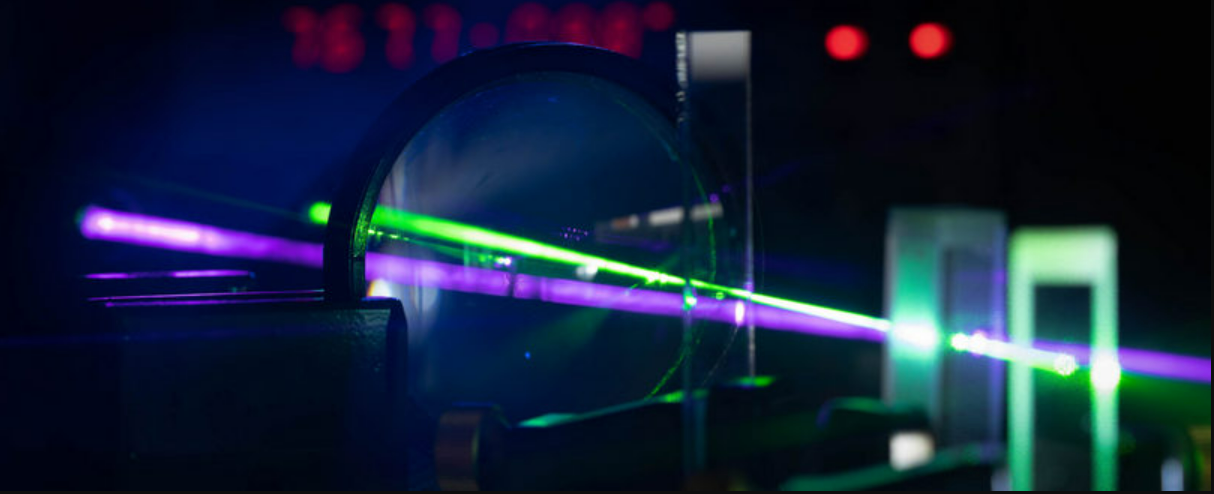
A cold-atom platform for laser cooling, atom transport, and Rydberg-based sensing.
Learn more →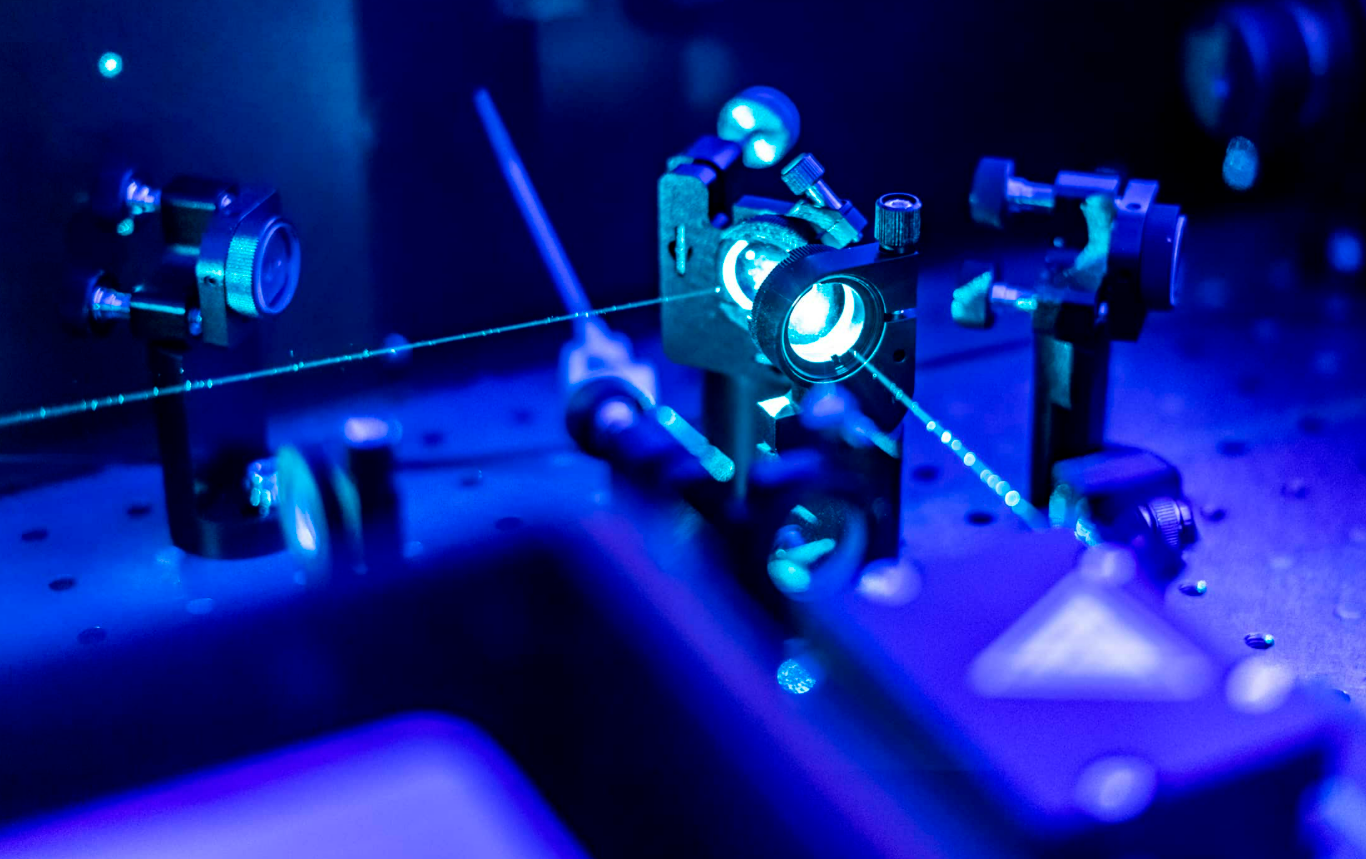
Custom RF and microwave systems for quantum control, from board-level hardware to RFIC designs built for tapeout.
Learn more →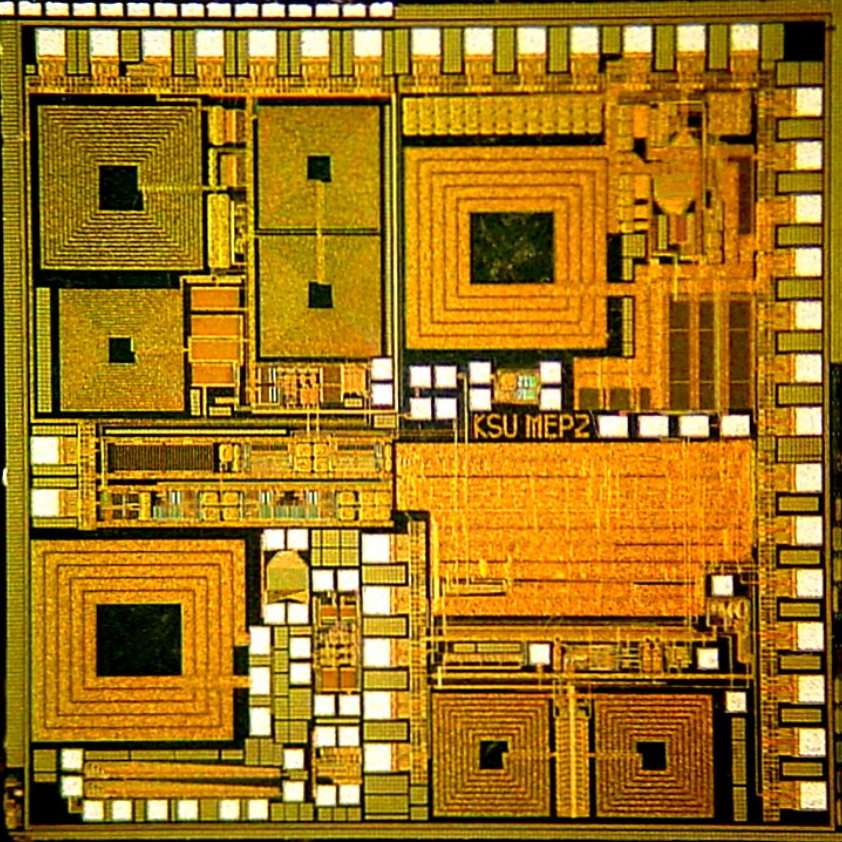
Custom optical, electro-optic, and optomechanical hardware for shaping, routing, and interfacing light across lasers, fibers, modulators, and experimental systems.
Learn more →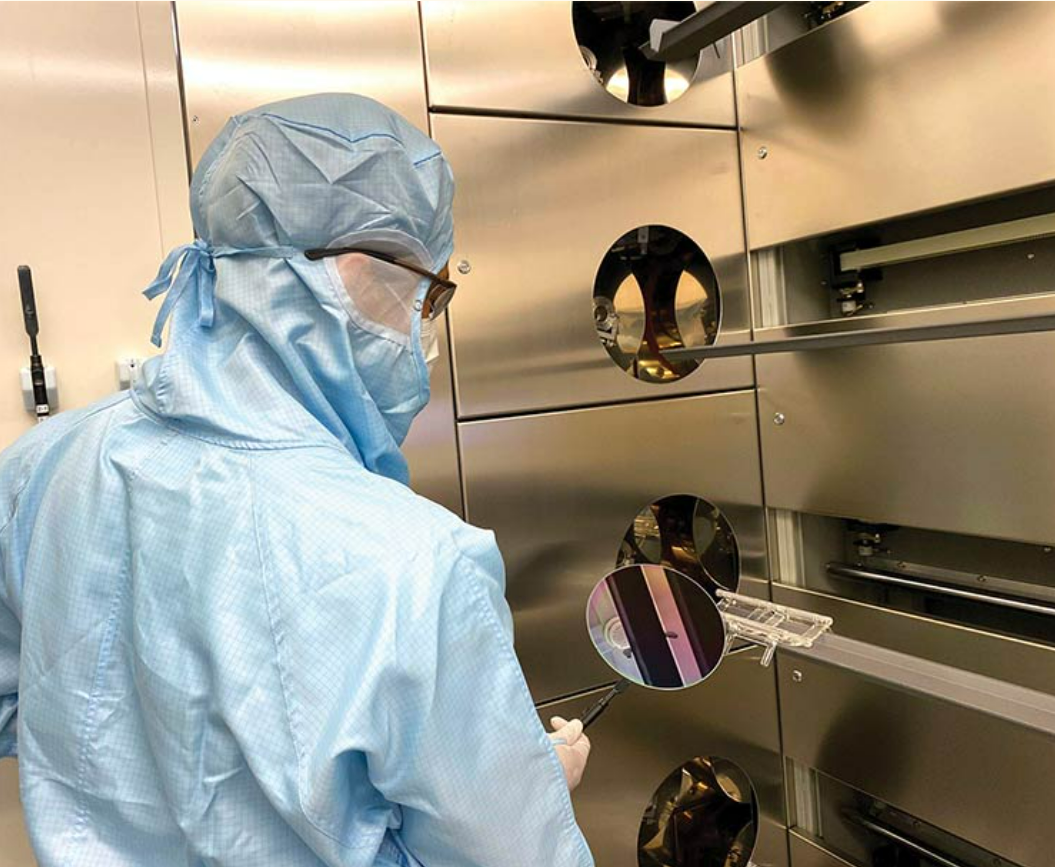
Software that maps hardware settings, sensor streams, and digital models into a live control layer for tuning experiments, detecting drift, and automating setup decisions.
Learn more →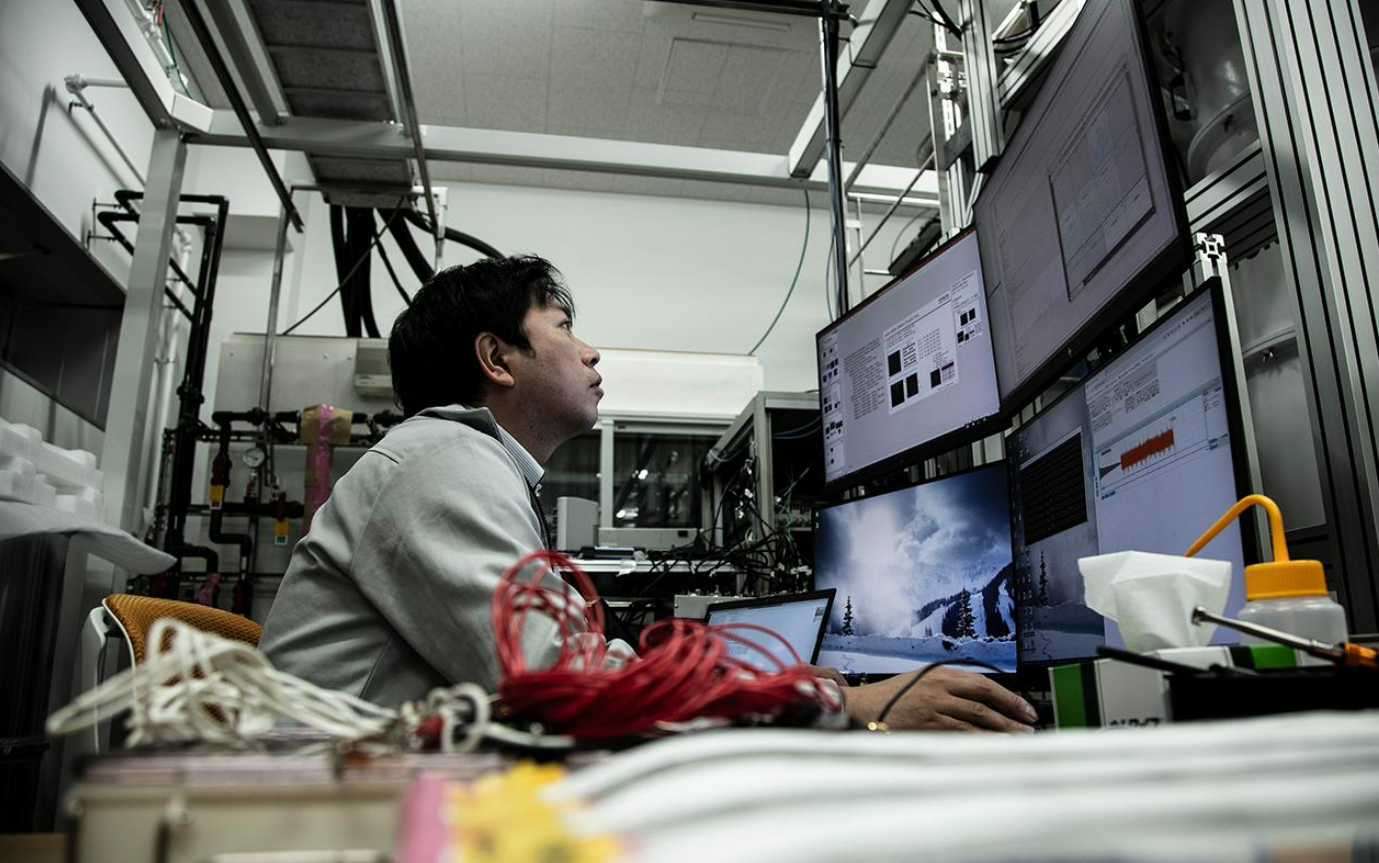
Developed initially as a student group at the University of Minnesota in Summer 2025, POSM was created to give students a hands-on path into learning about photonics, RF, electronics, optomechanics, and quantum optics. Today, the group focuses on designing reliable hardware that makes advanced optical experimentation easier to access and implement.
This month the team acquired over $6,000 in private donations and has begun its march towards developing a fully-modular, POSMq-powered rubidium spectroscopy lock by mid-August.
Read UpdateSponsor support, equipment loans, parts donations, and technical mentorship directly accelerate what students can build.
Whether you're a student looking to join, a company interested in sponsoring, or a researcher looking to collaborate — we'd love to hear from you.